


Taylor Swift’s “The Fate of Ophelia” uses the doomed young woman from Shakespeare’s Hamlet as a symbol of romantic madness, isolation and an ending that seems impossible to escape. But Swift is not simply retelling the play. She transforms its tragedy into a modern love story about meeting someone who rescues the narrator from a life that might otherwise have ended in emotional ruin.
Why Ophelia Matters to the Song
Ophelia is one of Shakespeare’s most recognizable tragic figures. In Hamlet, she is the daughter of Polonius, the sister of Laertes and a romantic interest of Prince Hamlet. Her life is heavily shaped by the expectations and commands of the men around her.
After Hamlet rejects her and kills Polonius, Ophelia experiences a psychological collapse. She later dies in the water. Shakespeare does not stage the death directly; Queen Gertrude describes it afterward in language that leaves room for uncertainty about whether Ophelia’s fall was accidental or whether she stopped trying to save herself. The questions surrounding her burial reinforce that ambiguity.
That context matters because Ophelia’s tragedy is larger than lost love. She is trapped by family authority, court politics, grief and a lack of meaningful control over her life. Over time, her name has become shorthand for a young woman overwhelmed by emotional and social forces around her.
Swift has explained that the song plays on Ophelia being driven mad by love and drowning. In Swift’s version, another person enters the narrator’s life and rescues her from reaching that same emotional destination.
How Swift Changes Ophelia’s Fate
The title immediately creates a sense of inevitability. Anyone familiar with Hamlet already knows Ophelia’s destination. By invoking “the fate of Ophelia,” Swift introduces a tragic ending before the song’s modern story has fully begun.
That creates the song’s central question: Must a familiar pattern always end in the familiar way?
Swift’s narrator imagines herself on a path toward loneliness, emotional instability and romantic destruction. Unlike Shakespeare’s Ophelia, however, she does not complete that journey. A new relationship interrupts the pattern and offers an alternative ending.
Swift confirmed that reversal in interviews with Capital Breakfast and Heart Breakfast. She described the song as being about meeting someone who takes a person away from the direction her life might otherwise have followed. She also explained that the song combines Shakespearean language with contemporary expressions.
Ophelia therefore becomes more than an emblem of suffering. Her story supplies the tragic fate that Swift’s narrator narrowly avoids. The song’s emotional power comes from placing an old literary ending beside a modern romantic rescue.
Romance, Rescue and Personal Agency
Because Swift often writes about relationships, listeners may be tempted to connect the song to a specific person. Swift did not name that person while explaining the song, so identifying the subject remains an inference rather than a confirmed fact.
The clearest reading stays with the story Swift described. The narrator has imagined a future marked by isolation and emotional ruin. Another person enters her life, reaches her and changes that trajectory.
That rescue is central rather than incidental. Swift’s own explanation emphasizes finding someone who saves the narrator from being driven mad by love. The song therefore does not present survival as an entirely solitary act. Connection is what makes the alternate ending possible.
At the same time, Swift’s use of Ophelia allows the narrator to recognize and describe the tragedy she has escaped. That awareness gives her a voice Ophelia does not receive at the end of Hamlet. Shakespeare’s character dies offstage and has her fate reported by others; Swift’s narrator survives to tell her own version of the story.
Swift does not rewrite Shakespeare by giving Ophelia a happier scene inside Hamlet. She relocates the symbol into a contemporary emotional world where tragedy can be anticipated, interrupted and transformed into a love song.
Why It Opens The Life of a Showgirl
“The Fate of Ophelia” opens The Life of a Showgirl, Swift’s 12th studio album, released on October 3, 2025. Swift’s official store, Universal Music-supplied recording metadata, the Associated Press and Recording Academy coverage identify it as the album’s first track.
Its placement gives the literary reference additional weight. Album openers often introduce questions or tensions that the remaining songs will explore. In this case, Ophelia provides an image of a woman watched, interpreted and constrained by roles created around her.
That makes her a striking figure for an album whose title foregrounds performance. A showgirl is expected to command attention, but she also performs a role before an audience. Ophelia likewise exists within a world where other people continually tell her how to behave.
Swift said The Life of a Showgirl grew from what was happening behind the scenes during the later part of the Eras Tour. It is therefore reasonable to read the opener as connecting private romantic experience with the pressure of a highly visible public life.
That broader connection remains interpretation rather than a meaning Swift has definitively assigned to the song. Her direct explanation is simpler: the narrator is spared Ophelia’s tragic fate because someone enters her life and rescues her from that path.
The Max Martin and Shellback Reunion
Universal Music-supplied recording metadata and Pitchfork’s published album credits name Taylor Swift, Max Martin and Shellback as the song’s writers and producers.
Martin and Shellback played major roles in Swift’s earlier transition into pop. They worked with her on Red, 1989 and Reputation, and their work is closely associated with songs that helped establish her full-scale pop sound.
That history adds another layer to “The Fate of Ophelia.” A song about escaping a destructive ending also reconnects Swift with collaborators from a major period of career transformation. It combines a familiar creative partnership with a new literary framework centered on tragedy, romance and survival.
The credits do not establish which collaborator contributed a particular lyric, melody or production choice. Without a more detailed account from the writers, the song should be understood as their shared work.
Why the Live Debut Renewed the Question
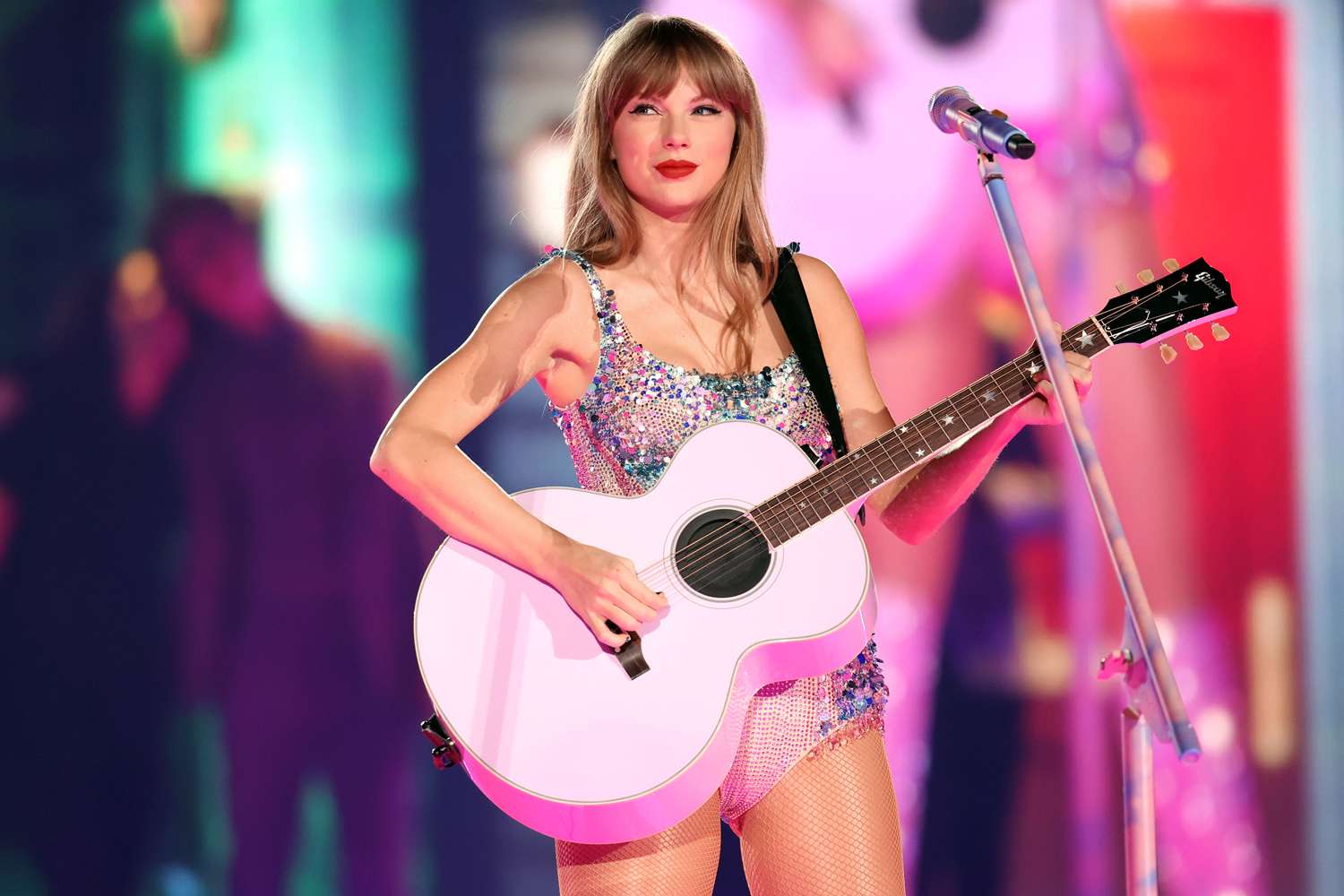
Swift gave “The Fate of Ophelia” its first reported live performance at the sixth annual Academy Museum Gala in Los Angeles on October 17, 2026, according to Pitchfork, Variety and Rolling Stone. The Academy Museum had previously announced Swift as the gala’s closing performer.
The song appeared in a four-song set that began with “Blank Space,” continued with “The Fate of Ophelia” and the Toy Story 5 song “I Knew It, I Knew You,” and ended with “Love Story.” Variety and Rolling Stone reported that Swift performed with a full band.
There is no confirmed statement that Swift designed the set as a career summary. Even so, the selection joined music from her country-pop beginnings and full-pop transition with a current-album song and newer film work.
The pairing of “The Fate of Ophelia” and “Love Story” was especially notable. Both songs use Shakespearean tragedy as the foundation for a romantic story with a different ending, although Swift has not publicly said that this parallel determined the set list.
The live debut returned attention to the song’s central reversal. Swift borrows a tragedy whose ending has been fixed for centuries and imagines a narrator who does not have to repeat it. Her answer does not erase Ophelia’s suffering. Instead, it turns that suffering into the fate from which a modern love story offers escape.










Leave a Reply